Foot pain alters your movement during daily activities. The early signs of foot strain are often dismissed by many until they start impacting ones mobility. The foundation of your body is what you stand on, you need to pick the best shoes to get out there and about. Good quality pairs safeguard joints and ease you to work out or exercise in the correct way.
Footwear serves as the only point of contact between your joints and the hard floor. Your knees and lower back are misaligned and has to deal with this burden of cheap shoes. The key to avoiding these structural faults before they turn into permanent damage is in investing in more specialist brands. The best shoes are where style meets the mechanical support your feet need.
5 Reasons Why Rieker Footwear Options Boot fit An Excellent Option For Everyday Protection
Daily footwear design tells your body how to respond to impact. Regular shoes come with flat insoles that are unable to support your footprint shape. The absence of udder support causes fatigue as the muscles will have to work harder. European engineering overcame these problems by making shoes that form to your foot.
Brand choice, like rieker, offers a loose fitting, that allows toe room to broaden over long walks. This area avoids friction while protecting your toes from injuries such as bunions. The construction prioritizes freedom of movement, with the heel being anchored right in place. You are grounded on many different surfaces as you go about your day.
Light Weight Features That Rieker Soles Have
But they also weigh you down, meaning that every step subscribers take in heavy footwear are more difficult than it needs to be on your legs. To achieve weight reduction in such shoes, designers use modern polyurethane compounds to create the outsoles. This material providing shock absorption with no extra bottom weight Light shoes help you save energy while walking.
A lightweight sole is a major advantage for those who spend hours standing on a concrete floor or tile. This level of protection is needed for Teachers, retail workers and healthcare staff to alleviate fatigue. The material maintains flexibility great for months of use. Your feet feel revived and refreshed even by the end of a long shift.
Why Rieker Designs Deliver as Per Normal Foot Expansion
Human feet naturally widen and swell throughout the day. A pair of shoes that suits you fine in the morning can pinch your feet by afternoon. This shift is complemented with these adaptive designs bringing together a realm of flexible textiles and leather uppers. The shoe expands with the shifting form of your foot.
Having space to expand prevents the formation of sore and painful calluses, ingrown toenails. If shoes do not constrict the blood vessels, your circulatory system works better. This space lets your toes splay when you push off the ground. The more natural your movement patterns, the less they put the connective tissue on the lower limbs at risk of injury.
How To Style Rieker Pairs For Work Suitable Environments
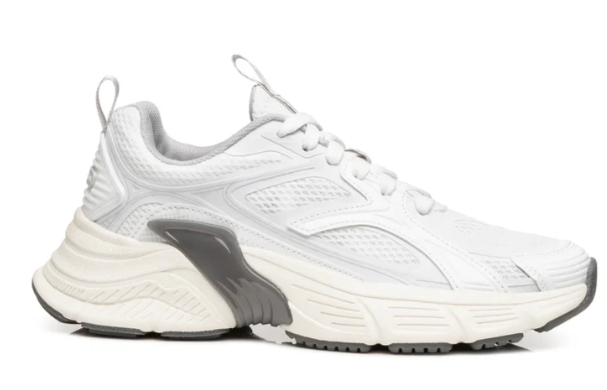
A lot of people are mistaken that comfortable footwear looks bulky or unattractive in the office. However, modern collections such as these defy said assumption by utilising clean lines and classic colours. Loafers and dress shoes that go well with business formals, as well as boots for the official use These models disguise their therapeutic capabilities under a fancy shell.
The shoes are functional yet elegant, adorned with advanced stitching and made of high-quality leather uppers. Going for an important business meeting where you feel confident enough on what to present t0! They provide constant comfort without breaking the stringent attire codes of corporate workplaces. You do not compromise in style to play it safe for your health.
The Reason Taos Walking Sandals Are Your Summer Stability Guarantee
This leads all the people to use +light sandals, or cheap flip-flops when warm weather arrives. The open-toed shoes do not provide the structural support required for walking in-pile. When you choose the very best, amongst your taos shoes, this will help keep your feet cool but without sacrificing any of that stability when charging down untreated roads. It features top-down breathability for the season, together with hard-wearing construction.
Active travelers need great summer pieces that can withstand endless city walkabouts or light trails. Secure strap system to help prevent sliding within footbed. This stability minimizes the potential for ankle sprains and assists you in maintaining an efficient stride. You can easily discover new places without the fear of foot pain.
Support Systems Inside All Taos Models Anatomical Arch
Already, the human foot is an arch that needs constant reinforcement against collapse due to weight. Such sandals are designed with molded contours that mimic the shape of a healthy foot. The design elevates the midfoot to help spread weight evenly through the entire plantar surface. This spread efficiently disperses isolated friction.
By forming an arch, the plantar fascia ligament does not stretch too much when moving. It reduces the morning heel pain commonly associated with these types of foot conditions and others. The firm support column helps with maintaining an accurate alignment from ankle to pelvis. When your base stays solid, your body moves more efficiently.
Metatarsal Pad features are found within Taos footbeds
Burning sensations on the ball of the foot when walking for a long time. This sensitive area is cushioned with built-in metatarsal pads so that less load if felt on the forefoot bones. The elevated surface provides space between the heads of the metatarsals in order to provide relief from pressure on the digital nerves. That design element delivers instant comfort for walkers on the go.
The padding is made from highly elastic foam with low pressure loss that maintains its protective function even after a long time. Average sandals flatten in a matter of weeks, but these supportive footbeds keep their shape. And when you choose a pair that lasts, it only makes sense that your footwear will protect your feet for season after season, continuing to be a smart investment. Every summer adventure you go on has cushioned steps.
Customizing Instep Fit on Taos Fasteners
Everyone has a different instep height and foot width profile that they are designed to carry. That fixed straps offer neither purchase for the foot, creating friction or unwelcome instability. Equipped with hook-and-loop fasteners that let you fine-tune the fit at several points across the foot. This allows for slight swelling from heat or exercise.
With premium fasteners, there’s no slippage during those uneven treks. Soft lining under the straps prevents material from digging into your skin. You get into an appropriate fit and no heel slippage. Modified sandals become a personalized orthotics.
Summary on choosing shoes: Rieker and Taos
Choosing the right shoes affect daily comfort, energy level and longevity of your joins. Anatomical design brands develop shoes that support the active lifestyle living with chronic pain should not take away from. Quality engineering makes a real difference, whether you’re after flexible shoes for the office or supportive sandals for travel.
Invest in your physical health and movement patterns by selecting supporting movements. At Zagros Shoes, you can find stylish and useful shoes of a variety of brands. Shop for quality shoes online for men and women perfect for any occasion.